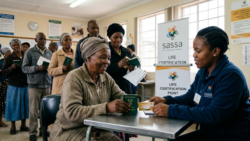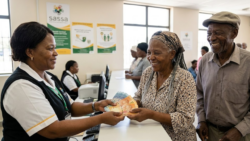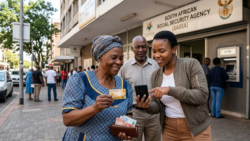
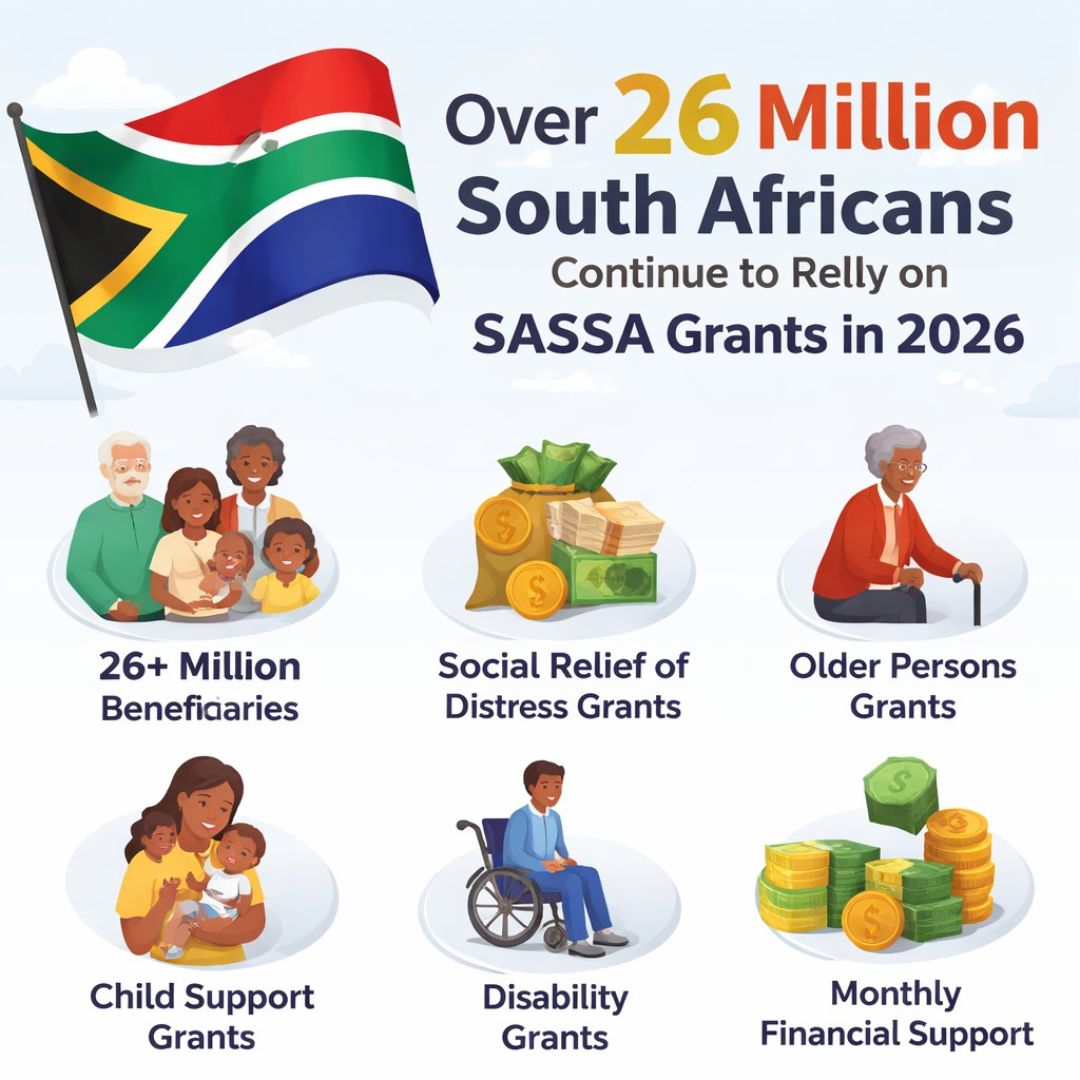
As of 2026, over 26 million South Africans continue to rely on the South African Social Security Agency (SASSA) grants to make ends meet. These grants provide vital support to vulnerable groups in the country, such as the elderly, disabled, and those without regular income. Despite significant efforts by the government to reduce poverty and unemployment, these grants remain a crucial lifeline for millions. In this article, we explore the importance of SASSA grants and their ongoing role in South Africa’s social safety net.
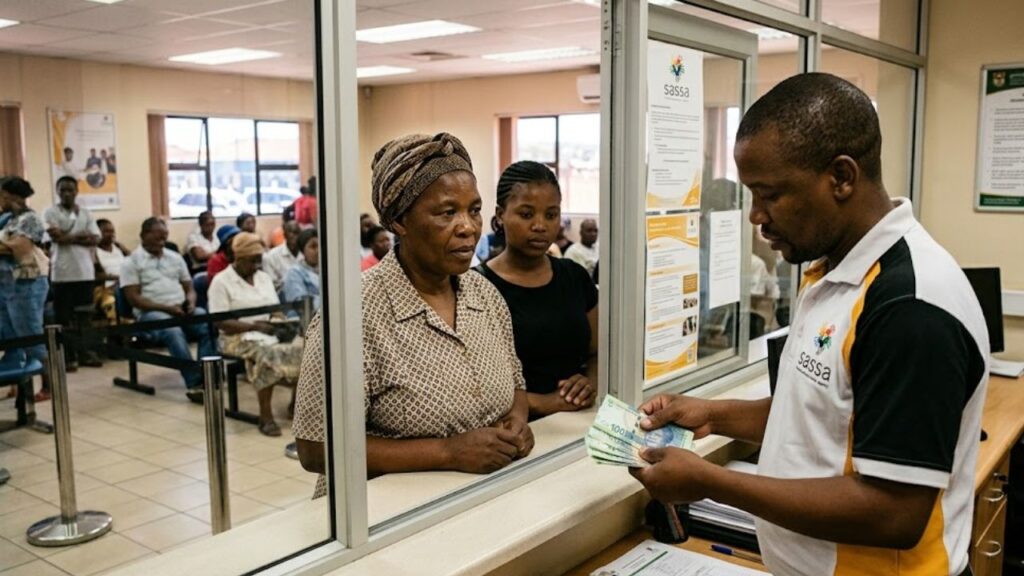
Why SASSA Grants Are Essential for Millions in South Africa
The SASSA grants play a critical role in supporting vulnerable populations in South Africa. With millions of people living in poverty, these grants are a lifeline for elderly citizens, the disabled, and unemployed individuals. By providing essential financial assistance, the government helps to alleviate the strain of basic needs like food, healthcare, and housing. SASSA grants are not just a financial safety net, but a symbol of government support aimed at reducing poverty levels across the nation. These grants help millions of South Africans lead dignified lives while they continue to seek better opportunities in the economy.
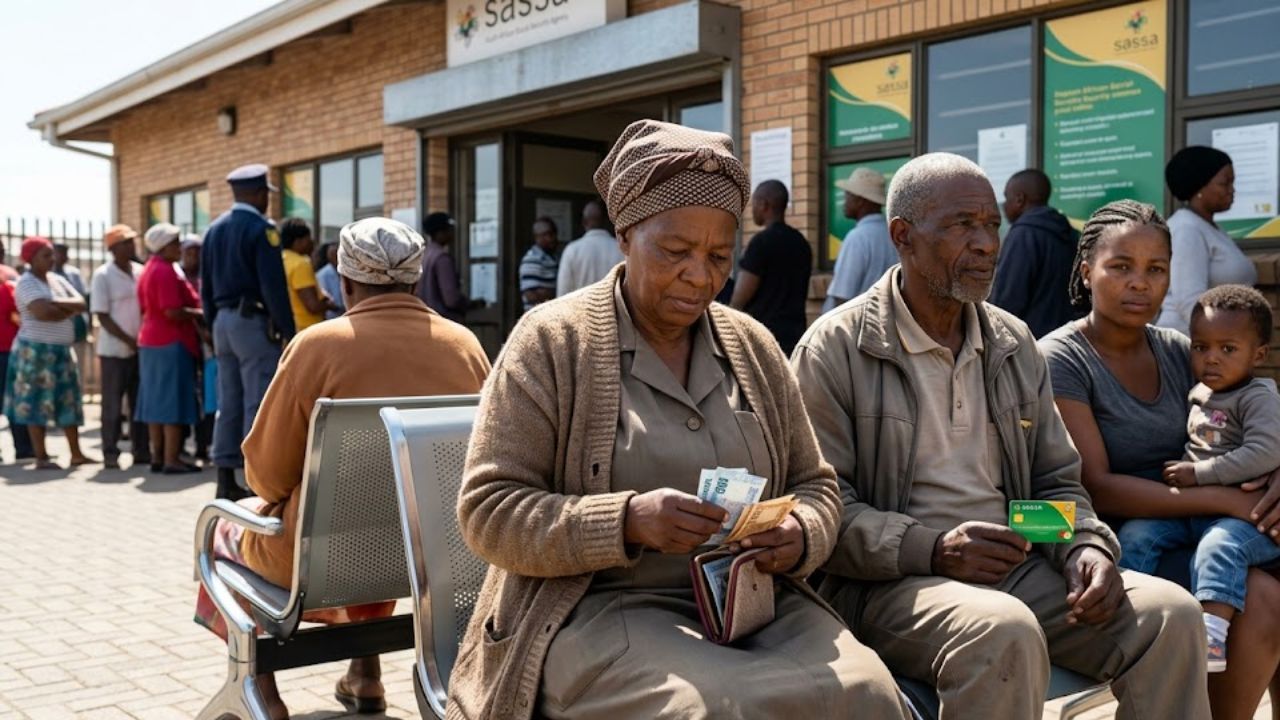
The Impact of SASSA Grants on Poverty Reduction
For years, the SASSA system has been central to efforts aimed at fighting poverty in South Africa. With more than 26 million people depending on these grants, their impact cannot be overstated. Many of the recipients, especially the unemployed youth and the elderly, have no other source of income. These grants allow them to meet their basic needs and avoid falling deeper into poverty. Studies have shown that SASSA grants help reduce the income inequality in the country, giving disadvantaged citizens a fighting chance to improve their quality of life.

Challenges and Criticisms of the SASSA Grant System
While the SASSA grants are crucial for millions of South Africans, they are not without their challenges. There have been criticisms regarding the effectiveness of the distribution system, with delays and errors in payment causing hardships for recipients. Additionally, the application process can be confusing, leaving many eligible citizens struggling to access their benefits. Despite these obstacles, SASSA continues to adapt and improve, working on reducing administrative barriers and enhancing the user experience for recipients. However, it is clear that more work needs to be done to ensure that the system is efficient and equitable for everyone.
Summary and Future Outlook on SASSA Grants
In conclusion, the SASSA grants continue to play a vital role in the lives of millions of South Africans, providing much-needed financial support to those who need it most. However, challenges persist in ensuring that these grants reach all eligible citizens in a timely and efficient manner. The future of the SASSA system looks promising, with ongoing improvements aimed at increasing accessibility and transparency. As South Africa works toward long-term economic growth, the role of these grants will likely evolve to reflect the changing needs of its population, offering support where it’s most needed.
| Grant Type | Eligibility Criteria | Payment Frequency | Amount (ZAR) |
|---|---|---|---|
| Old Age Grant | 60 years and above | Monthly | 1,980 |
| Disability Grant | Permanent disability | Monthly | 1,980 |
| Child Support Grant | Caregiver of children under 18 | Monthly | 480 |
| Foster Care Grant | Caregiver of foster children | Monthly | 1,050 |
Frequently Asked Questions (FAQs)
1. What is the eligibility for SASSA grants?
Eligibility depends on age, disability status, or income level.
2. How often are SASSA grants paid?
SASSA grants are typically paid on a monthly basis.
3. Can SASSA grants be used for any purpose?
Yes, grants are meant to cover basic living expenses like food and healthcare.
4. Are SASSA grants enough to live on in South Africa?
While essential, the amount may not cover all living costs in some areas.