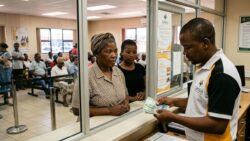
The SRD (Social Relief of Distress) grant remains unchanged in 2026 despite the rising inflation in the country. Many citizens in need rely on this grant to get by, but it has stayed at its original amount for a significant period. While inflation continues to increase the cost of living, many are questioning whether this grant will be adjusted in the future. In this article, we explore how the SRD grant has remained stagnant amid economic shifts and what this means for recipients in the target country.
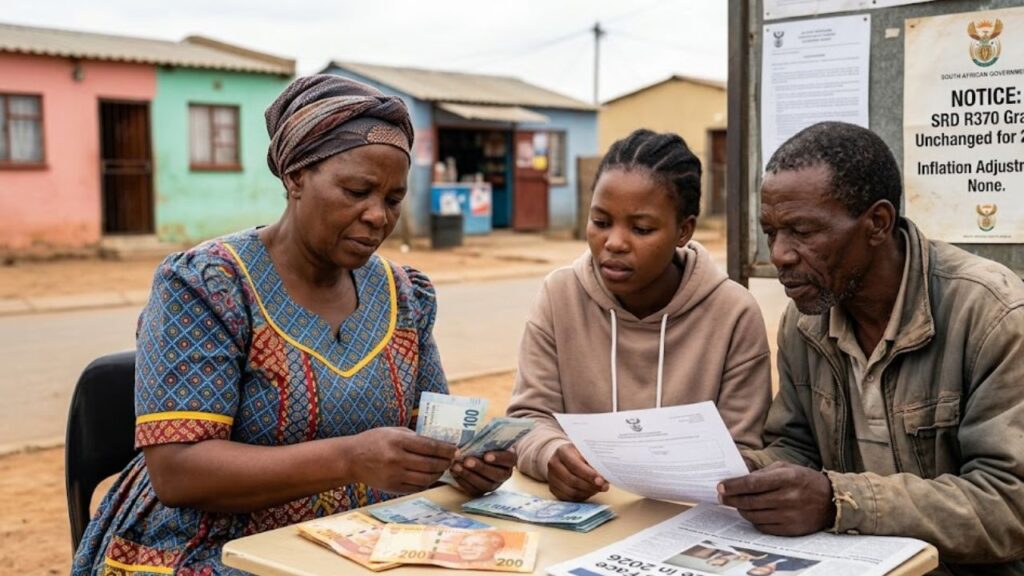
The SRD Grant and Inflation in 2026
The SRD grant is designed to assist individuals who are experiencing financial hardship. Despite the growing inflation rates in 2026, the grant remains unchanged. This decision has sparked debate across the country, as many recipients struggle with higher living expenses. As the cost of basic necessities rises, including food and fuel prices, the lack of an increase in the grant amount has left many questioning its effectiveness. While inflation impacts most people’s daily lives, those relying on the SRD grant face additional challenges.
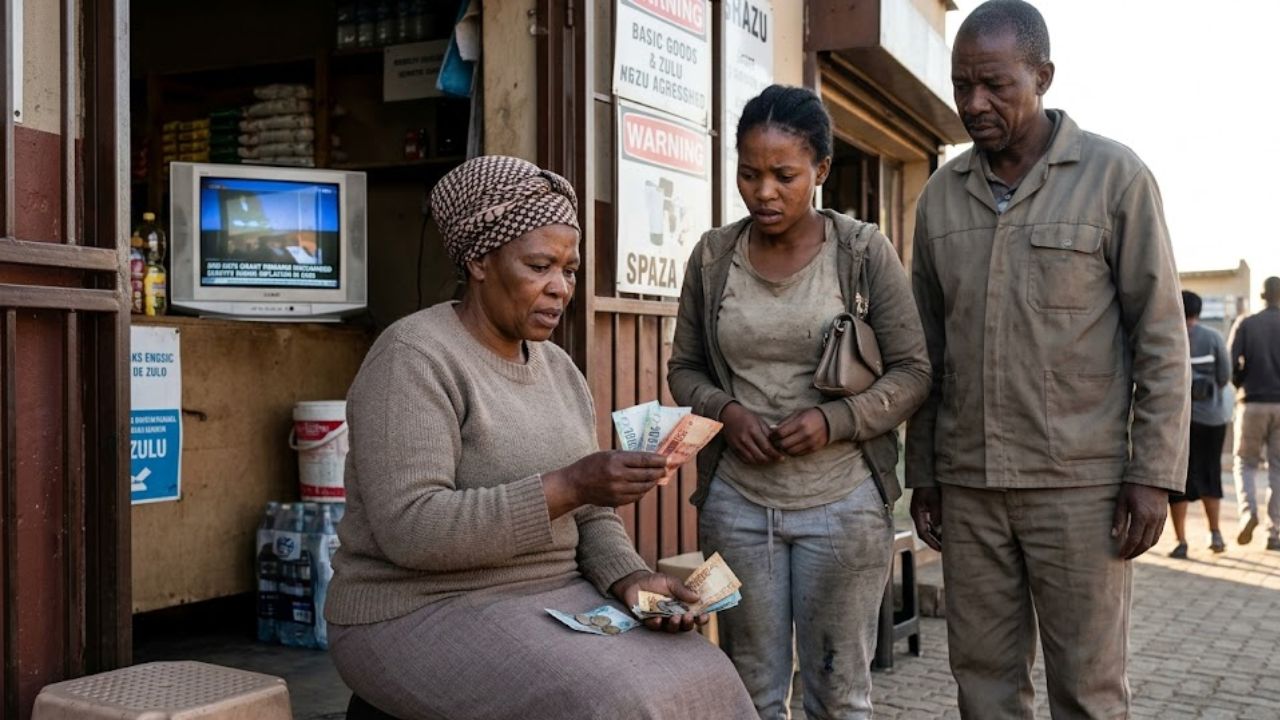
The Impact of Rising Inflation on SRD Grant Recipients
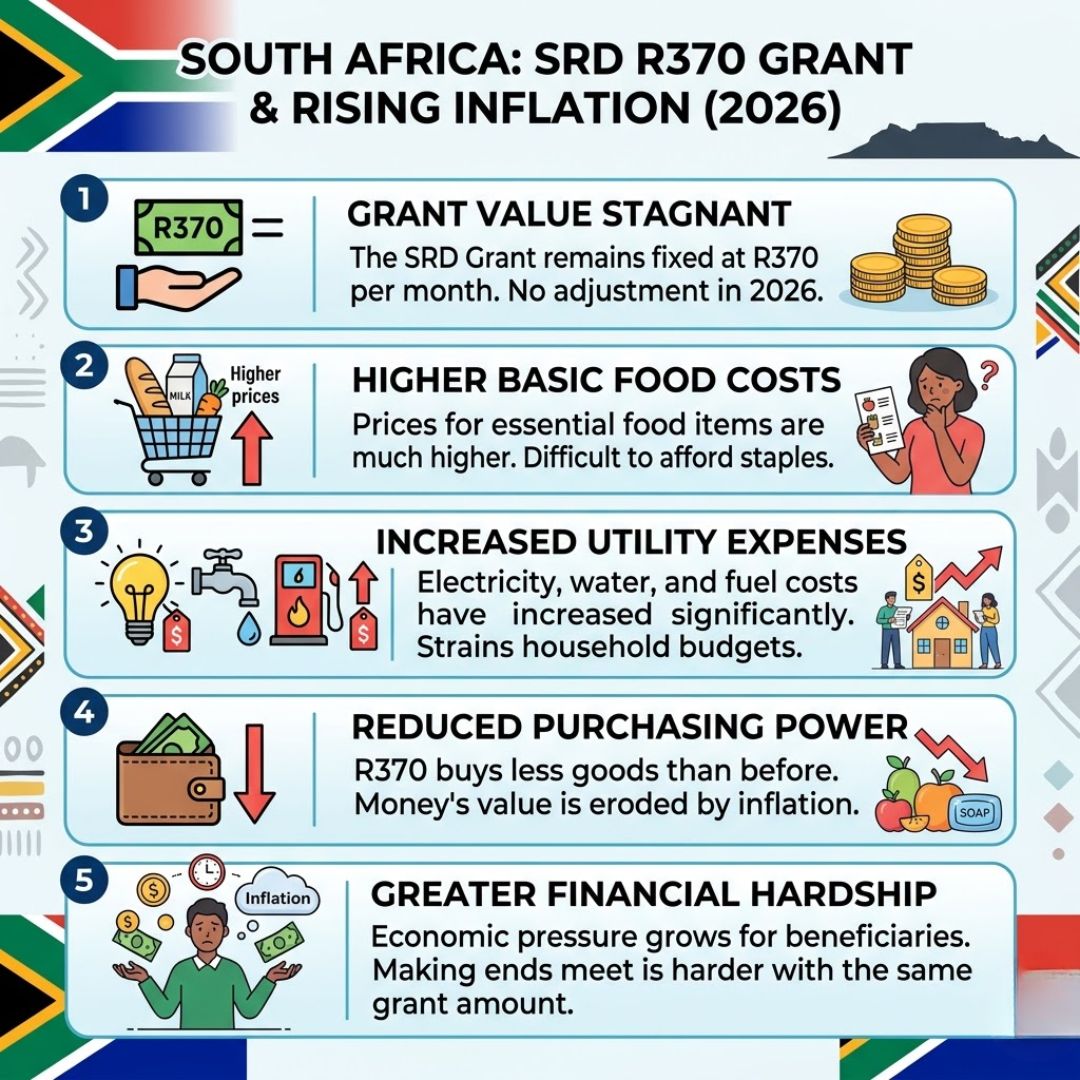
The rising inflation in 2026 has led to increased prices for goods and services, leaving recipients of the SRD grant feeling financially squeezed. With costs soaring, many are finding it difficult to meet their basic needs. The unchanged grant means that people are receiving the same amount, which is not sufficient to cope with the inflationary pressures that continue to mount. Furthermore, the government’s decision not to raise the grant amount has raised concerns about the long-term viability of this social safety net for the most vulnerable populations.

The Need for SRD Grant Adjustments in 2026
Advocates for change argue that it is crucial to adjust the SRD grant in response to ongoing inflation. Many believe that without an increase, the grant’s purchasing power is diminishing, making it harder for recipients to afford healthcare and education. This could potentially lead to further economic disparity and social unrest. Adjusting the grant to account for rising inflation levels is seen by many as a necessary step to ensure that the most vulnerable members of society can continue to access essential services and support.
Summary or Analysis
In conclusion, the SRD grant has not been adjusted for inflation in 2026, leaving many recipients struggling to cope with the increasing cost of living. While inflation continues to rise, the grant remains fixed, raising concerns about its effectiveness in addressing the needs of the most vulnerable. As inflation impacts everyday life, it’s clear that a review of the SRD grant system may be necessary to ensure it remains relevant and beneficial to those who depend on it.
| Year | SRD Grant Amount | Inflation Rate | Real Value of Grant |
|---|---|---|---|
| 2026 | $350 | 5.2% | $332.40 |
| 2025 | $350 | 4.5% | $335.50 |
| 2024 | $350 | 3.9% | $337.70 |
| 2023 | $350 | 3.2% | $338.80 |
Frequently Asked Questions (FAQs)
1. What is the eligibility for the SRD grant?
Individuals must prove financial distress and meet specific income criteria to be eligible for the SRD grant.

2. Why hasn’t the SRD grant increased in 2026?
The government has not provided a clear reason for the lack of an increase despite rising inflation.
3. How does inflation affect the SRD grant recipients?
Inflation makes the fixed grant amount less valuable, impacting the purchasing power of recipients.
4. Will the SRD grant be adjusted in the future?
There are calls for an adjustment, but no official announcement has been made yet.